16 Days of Activism 2026: 16 ways to take action
From Wednesday 25 November to Thursday 10 December, UN Women's UNiTE campaign asks everyone to help end violence against women and girls. Here are 16 practical things you can do, one for each day, at home, in school and in your community.
What the 16 Days of Activism are
The 16 Days of Activism against gender-based violence run every year from 25 November, the International Day for the Elimination of Violence against Women, to 10 December, Human Rights Day.
The campaign began in 1991 at the first Women's Global Leadership Institute, run by the Center for Women's Global Leadership at Rutgers University, which still coordinates it. UN Women's UNiTE campaign to end violence against women runs alongside it each year, with its own theme.
The 2026 theme is ensure justice, protect survivors, end impunity. UN Women says violence affects one in three women, and that for many survivors justice is still out of reach. Strong laws are not enough on their own: survivors also need safe ways to report, support they can reach, and a justice system that responds. The campaign also recognises that violence online and offline often overlap.
Why it matters to us
Better Boundaries CIC exists to make sure sex and relationships are safe in every single way. Most of our work happens long before anyone needs a justice system: teaching young people consent, respect and what a healthy relationship looks like, so harmful patterns are named early and challenged.
The 16 Days are a chance to do that out loud, together. You do not need a big budget or an event. Pick the actions that suit you. One done well beats sixteen ticked off.
25 November is also White Ribbon Day
In the UK, the first day of the 16 Days is White Ribbon Day. White Ribbon UK asks people to make a promise never to commit, excuse or remain silent about male violence against women. Men are especially encouraged to make it, and anyone aged 14 or over can.
For everyone
01
Wear orange
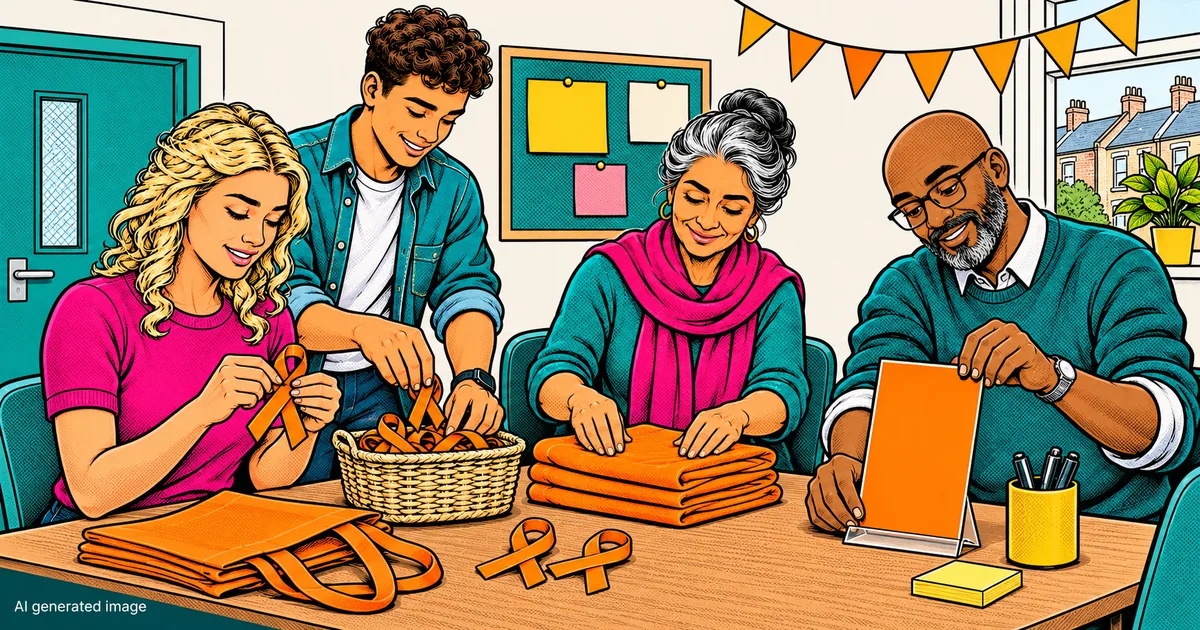
Orange is the UNiTE colour of hope and a future free of violence. Wear it, light it, or add it to your profile picture, and be ready to say why when someone asks.
02
Learn the theme, then share it
Read UN Women's campaign page and share it with one sentence of your own about why it matters to you. Your own words reach further than a repost.
03
Make the White Ribbon Promise
On 25 November, make the promise online and ask two people you know to do the same. It takes under a minute.
04
Save the numbers
Put the National Domestic Abuse Helpline and the Rape Crisis line in your phone. If a friend ever needs them, you will not have to search. All the numbers are on our support lines page.
For schools and colleges
05
Hold an orange day
Ask staff and pupils to wear something orange, with a short assembly on respect. Keep it hopeful. Shock content shuts young people down.
06
Teach one lesson on consent or respect
The 16 Days are a natural slot for a session from Module 01: Consent or Module 03: Respect, Power and Positive Masculinity. The statutory guidance expects pupils to learn to recognise misogyny.
07
Agree how staff respond to sexist comments
Decide together what counts as misogynistic language and how staff respond, every time, in corridors as well as classrooms. Our guide to the manosphere has practical starting points.
08
Check your reporting routes
Do pupils know who the designated safeguarding lead is, and how to raise a worry about a friend? Use the 16 Days to remind them, and to refresh staff through CPD.
For parents and carers
09
Start one conversation about respect
Use something you are watching together: "Do you think she really wanted that?" Our guide on explaining consent to a teenager has more conversation starters.
10
Talk with boys about the men they admire
Ask who they look up to and why. Name what you notice: strength that includes kindness, courage to speak up. See positive masculinity.
11
Learn the red flags
Controlling behaviour in teenage relationships often starts on a phone. Read our checklist of red flags in teenage relationships, so you know what to look for and what to say.
12
Ask what they are seeing online
Curious, not alarmed. Ask which creators they find funny and what those creators say about girls and women. Our online safety guide covers the risks that matter.
For young people and communities
13
Be an upstander
When a "joke" goes too far: change the subject, say "nah, that's not funny", don't share it, check in with the person targeted, or tell an adult. Pick whatever is safe for you.
14
Call out victim-blaming
"What was she wearing?" and "Why didn't she leave?" move the blame to the wrong person. Swap them for "Who chose to cause harm?" and "How can we help?"
15
Support a local service
Donate, volunteer or fundraise for your local domestic abuse or rape crisis service. UN Women asks people to back the organisations that support survivors every day of the year.
16
Host a discussion
A class, a youth group, a workplace or a faith group can all hold a conversation about what stops survivors getting justice. Ask us about a talk for your group.
If you or someone you know needs help now
Talking about violence can bring up memories or worries. If it does, these services are free and confidential.
Police
999 if someone is in danger now. 101 when it is not an emergency.
After 10 December
Sixteen days is a start. The habits that end violence, like asking, listening and speaking up, are built over years. Our consent-first programme carries that work into schools all year, and our own Porn Education Awareness Week returns in late March or early April. See all our campaigns.
Frequently asked questions
What is the 16 Days of Activism?
An international campaign against violence against women and girls, held every year from 25 November to 10 December. It began in 1991 at Rutgers University's Center for Women's Global Leadership, and UN Women's UNiTE campaign runs alongside it each year.
When is the 16 Days of Activism in 2026?
From Wednesday 25 November to Thursday 10 December 2026.
What is the 2026 theme?
"UNiTE to End Violence Against Women and Girls: Ensure justice, protect survivors, end impunity." It focuses on making sure survivors can report safely, get support and see justice done.
Why orange?
UN Women uses orange as a symbol of hope and a future free of violence against women and girls.
How is White Ribbon Day connected?
White Ribbon Day falls on 25 November, the same day the 16 Days begin. In the UK, White Ribbon UK asks people, and men especially, to promise never to commit, excuse or remain silent about male violence against women.
Is this suitable for pupils?
Yes, when it focuses on respect, consent, kindness and getting help, rather than graphic detail. Tell your DSL before any session in case it prompts a disclosure, and make sure pupils know who they can talk to.
Do I have to do all 16?
No. Choose one or two that fit your life, school or group, and do them well.
Sources: UN Women, UNiTE campaign 2026 theme; UN Women, 16 Days of Activism; Rutgers Center for Women's Global Leadership, Global 16 Days Campaign; White Ribbon UK, the Promise. Helpline numbers were checked at the time of writing.