Do You Know The Signs of Trauma?

Trauma is defined by Mind as:
“Trauma is when we experience very stressful, frightening or distressing events that are difficult to cope with or out of our control. It could be one incident, or an ongoing event that happens over a long period of time.
Most of us will experience an event in our lives that could be considered traumatic. But we won’t all be affected the same way. Trauma can happen at any age. And it can affect us at any time, including a long time after the event has happened.”
A lot of trauma can happen within toxic sexuality and can also be witnessed in porn.
It’s crucial to recognise any trauma responses you may have, even if you’re not consciously aware of them. Addressing and working through these responses is essential, as unprocessed trauma can attract further trauma, potentially leading to a downward cycle/spiral. Depending on its severity, this can take considerable time to overcome even years !
Greater awareness of your own trauma responses enables you to be more mindful of them in others, support those working through their own trauma, and avoid inadvertently causing trauma to others. Trauma can block positive emotions and experiences, and in severe cases, such as PTSD, it can profoundly isolate and shut people down.
Have a read through our list of ways trauma can be displayed and think about whether you have spotted any of these signs…

Fight Response
This response involves confronting the threat aggressively. Individuals may become angry, argumentative, or defensive as a way to regain control and protect themselves from perceived danger.

Flight Response
This involves fleeing or avoiding the threat. People may physically or emotionally withdraw, seeking to escape situations or feelings that trigger distress or fear.

Flop Response
This is a state of collapse or shutdown, where the body and mind go into a passive, submissive state. Individuals may feel limp, helpless, or dissociated, often as a last resort to survive overwhelming stress.

Fawn Response
This response involves trying to appease or please the source of the threat to ensure safety. People may become overly compliant, submissive, or people-pleasing to avoid conflict or harm.

Friend Response
This response involves seeking connection or alliance with others to cope with the trauma. People may try to build relationships or seek support to feel safe and secure, or individuals may beg or plead with the abuser to stop the trauma. Additionally, trauma can lead the recipient to develop hypervigilant behaviours, such as overthinking or exercising excessive caution, as a means of planning to prevent future trauma.
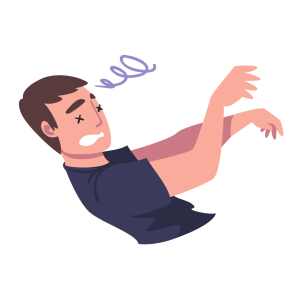
Faint Response
This is a physical or psychological collapse, where individuals may lose consciousness, feel faint, or mentally “check out” as a way to escape the overwhelming trauma.
The faint response is an extreme reaction that occurs when the body can no longer cope with trauma or abuse, resulting in a complete physical or psychological collapse. In such cases, individuals may lose consciousness, faint, or mentally disengage as a means of escaping overwhelming trauma.
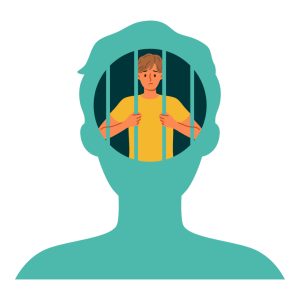
Freeze Response
In this response, individuals become paralysed or “stuck” in the face of trauma. They may feel numb, disconnected, or unable to act, often as a way to assess the situation or avoid harm.
These responses are automatic survival mechanisms triggered by the nervous system in response to perceived danger or trauma.
Check out our other resources to understand ways to cope and converse beyond trauma.